The problem
Cross-border trade at the Vurra Border Post between Uganda and the Democratic Republic of Congo is a major source of income for women and youth in West Nile, yet it is shaped by serious human rights and structural challenges. Traders face poor internet and communication infrastructure, unsafe truck congestion, unclear and complex customs regulations, corruption, long clearance times, lack of access to finance and insurance, and widespread harassment of women traders. Refugees and deportees passing through the border are also highly vulnerable to exploitation and abuse. These barriers reduce women’s incomes, increase exposure to violence and undermine regional trade and government revenue.
What Zoota did with partners
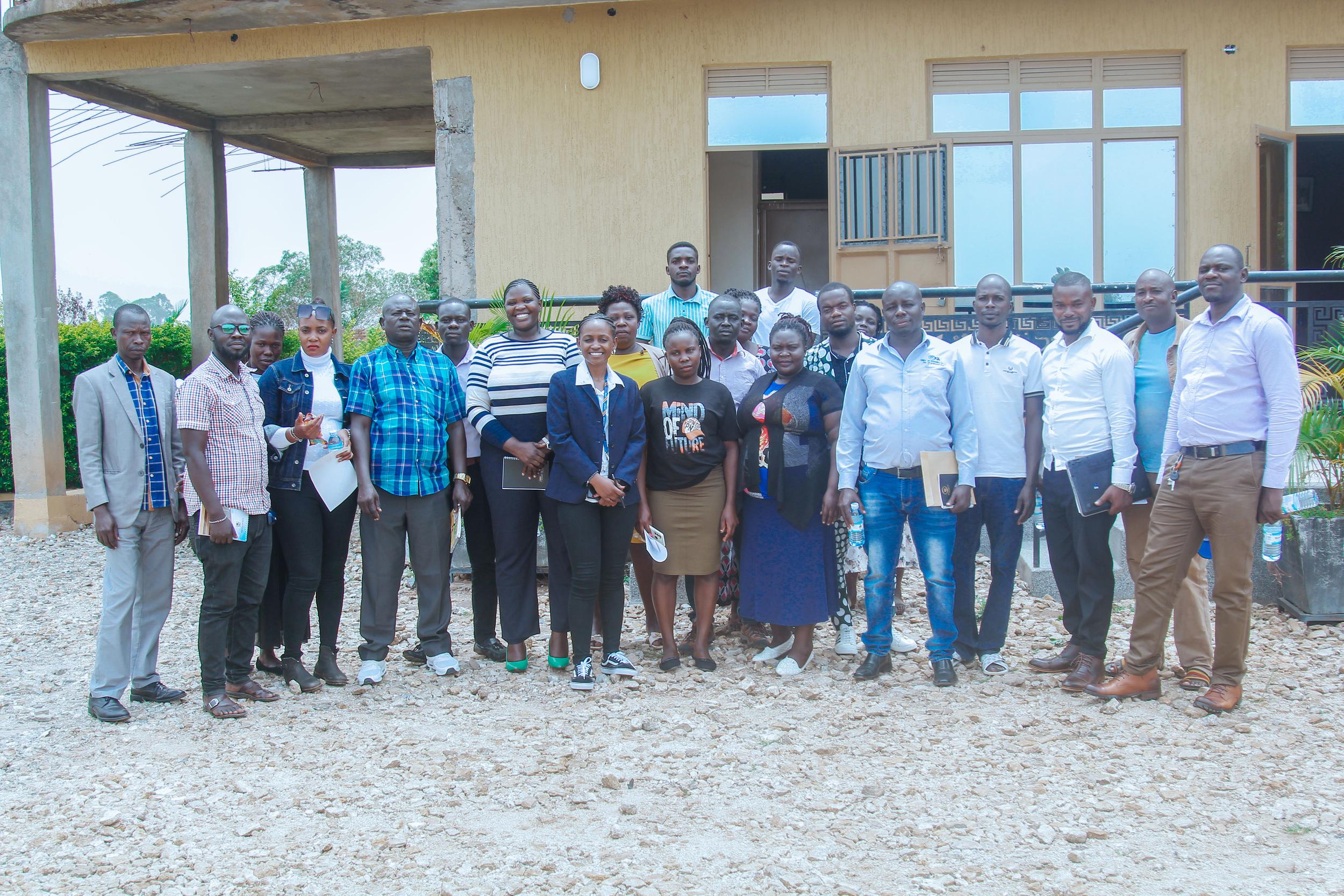
On 27 February 2024, Zoota Initiative for Development convened the first-ever Cross-Border Trade Legal Clinic Consultative Meeting at Vurra Border Post in partnership with the Vurra Freight Forwarders Association, the local business community and the Presidential CEO Forum through PCF Uganda. The consultation brought together traders, women and youth, transporters, government officials and community leaders to document trade barriers and human rights violations and to develop practical solutions. In total, the initiative reached over 50 participants directly and over 200 traders, border users and officials indirectly through follow-up engagement and advocacy. Together, we advanced a rights-based and policy-driven approach to cross-border trade including; advocacy for a designated truck parking yard, improved internet and communication infrastructure, simplified and transparent trade procedures under AfCFTA and EAC frameworks, the establishment of a Trade Legal Aid Clinic and stronger protection and representation for women traders.
The impact
The Trade Legal Clinic created a platform for border communities to influence how trade is governed. Women and youth traders were able to raise their concerns, gain visibility and shape policy discussions on safety, corruption and access to services. The process generated concrete policy recommendations that when implemented, will improve border efficiency, reduce corruption, increase government revenue and protect the rights and livelihoods of women, youth, refugees and cross-border traders across the West Nile region.